¿Cómo fomentar colaboración genuina en un mundo competitivo y transaccional?
POR FLOR GARCÍA MENCOS
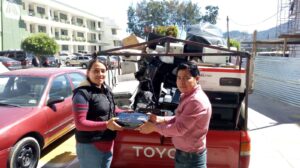
El Centro de Liderazgo Restaurativo Circula se inició desde el 2012 como una asociación para el liderazgo cuyo propósito es capacitar a líderes de organizaciones sociales. Por más de una década, en la Comunidad Circula, hemos experimentado colaboraciones que amplifican el impacto del trabajo de personas y organizaciones. En estas líneas compartimos algunas de esas historias y los aprendizajes que nos dejan.
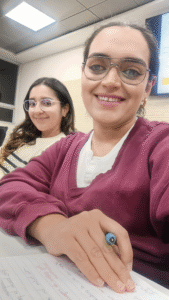
Veo estas interacciones desde hace 12 años, ¡literalmente a diario! y no puedo más que sentirme honrada de presenciar y ser parte de la vida comunitaria de este grupo de líderes en forma completamente orgánica, desinteresada y muchas veces vulnerable. Frecuentemente no hay peticiones, solo aprecio, saludos, intercambio de fotos que celebran que dos miembros de la comunidad se encontraron en algún taller, en algún territorio y lo comparten por el disfrute de saber que son valorados y reconocidos por quienes son, en un espacio solidario y seguro.
¿Cómo es posible nutrir colaboración efectiva y sostenible en un mundo competitivo y transaccional?
Propósito común claro: ahora que la Comunidad Circula tiene más de 400 personas interactuando, tanto egresados del programa de Liderazgo Organizacional y Comunitario, como del programa de Prácticas y Justicia Restaurativa, es complejo que cada uno se conozca con todos los demás. Sin embargo, todos tienen una certeza: son agentes de cambio y comparten la visión común de trabajar desde la dignidad, la colaboración y la integridad.
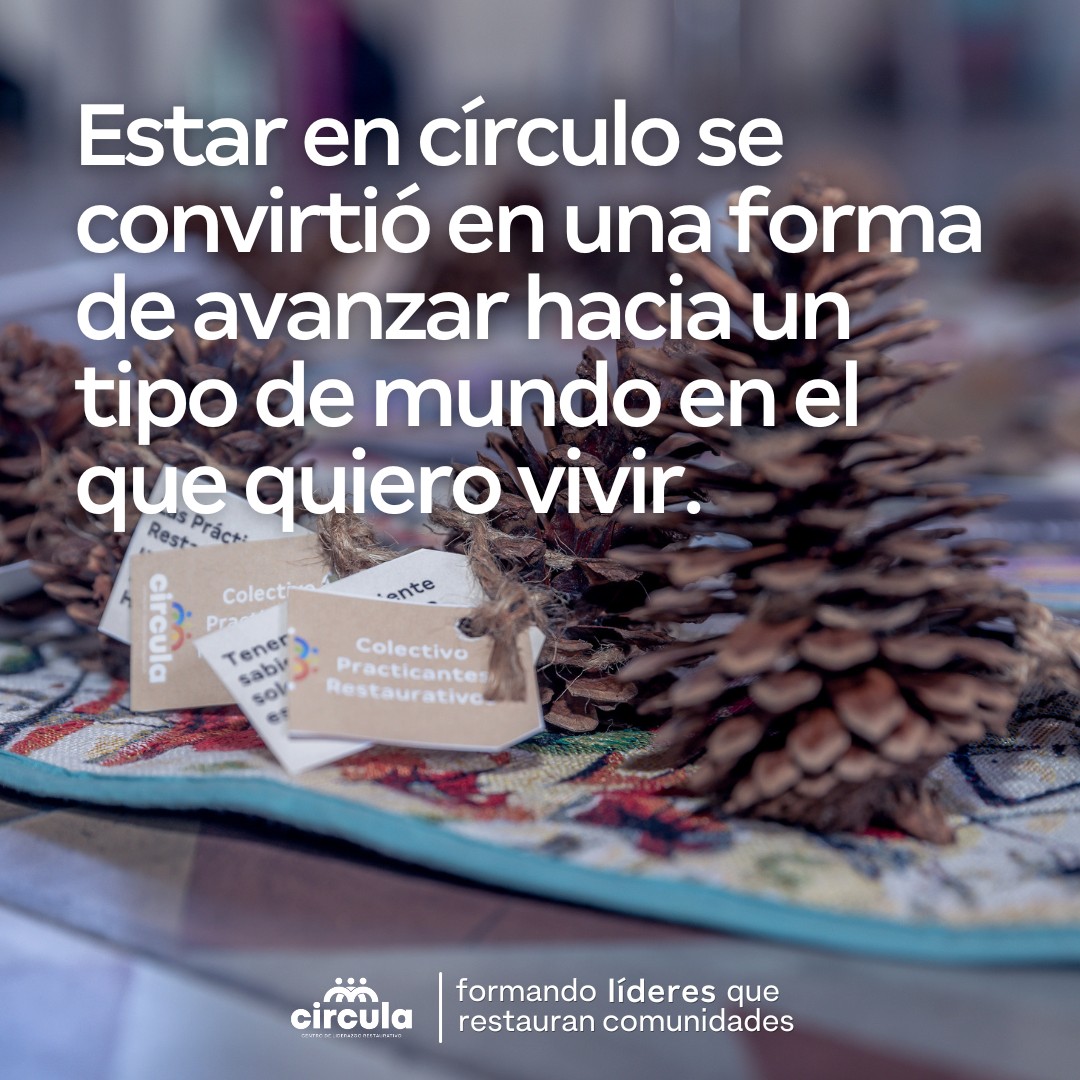
Las acciones son orgánicas y no se impulsan agendas desde un ente directivo, sino que responden a las necesidades e intereses que importan a las personas. Todo lo que hacemos es una invitación y no una demanda.
La colaboración requiere respeto y confianza: parte de nuestras prácticas consistentes son el establecimiento de acuerdos, valores colectivos declarados y hablar la verdad con valentía y respeto. Así navegamos la diversidad. La confianza que une a este amplio y creciente grupo no pudo haber sido sintetizada en un evento, son comunidades que han compartido experiencias similares en los procesos profundos en que los que han participado.
Sentido de Comunidad: es difícil describir lo que se siente cuando experimentamos estar en comunidad, cuando sabes que perteneces. Eso tiene una raíz íntima de conexión humana que se desarrolla sin prisa.
Hay implícito un respeto mutuo derivado del reconocimiento entre pares. La mera noción de comunidad reta modelos en los que la técnica para conectar con otros, el discurso de elevador, la mejor impresión posible, finalmente limita las conexiones genuinas y duraderas.
En comunidad, perteneces simplemente por el valor que tienes, siempre eres bienvenido y eso es una verdad para cada persona en la colectividad en la que han decidido mantenerse por tantos años.
Podemos replicar este sentido en la organización, en la escuela, en la familia, en las colectividades sociales y confiar en que sabemos desde la memoria colectiva de nuestra propia cultura, cómo caminar juntas y juntos.
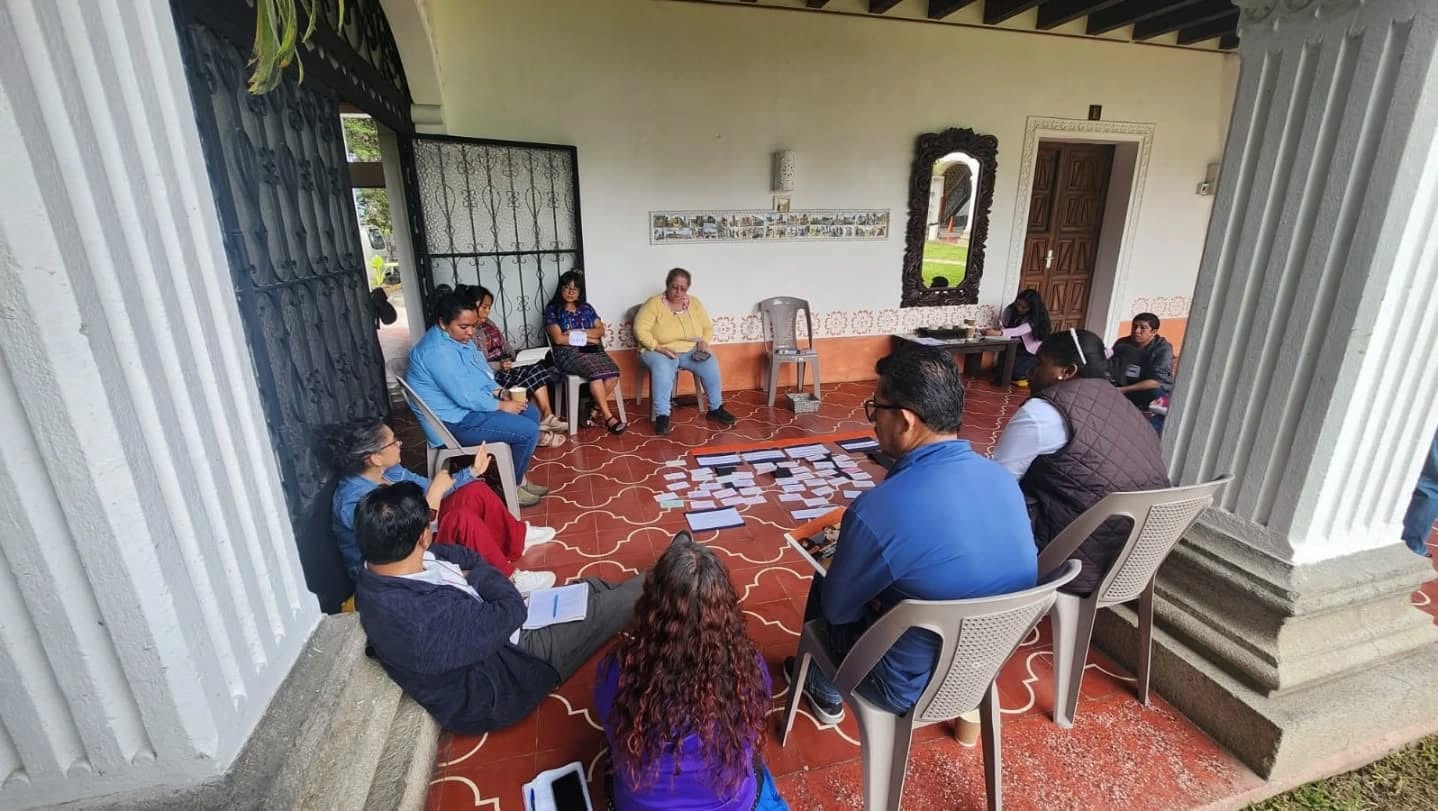
Historias de éxito de la comunidad de circula
Naty es socióloga y lidera una organización enfocada en migración. Para el desarrollo de un proyecto, intentaba establecer conexión directa con municipalidades de tres departamentos de Oriente.La búsqueda parecía infructuosa, pero aún le quedaba un recurso al que sabe que siempre puede recurrir: apoyarse en colegas y amigos con quienes hace parte de una comunidad de liderazgo y colaboración.
En cuestión de pocas horas, ya tenía contactos directos y recomendaciones específicas para avanzar en su trabajo. De hecho, quedó de encontrarse con William, uno de los líderes que la apoyaron y que estaría atento para recibirla al llegar a su territorio y poder compartir un poco de tiempo juntos.
El impacto de esta historia va mucho más allá de Naty, William y los otros líderes que la apoyaron, pues la labor de ella impacta a personas migrantes y la incidencia de su trabajo logra que distintas instancias adopten un enfoque de atención humanitaria.
Un líder confió a la comunidad de liderazgo y colaboración que una de sus compañeras falleció y la familia necesitaba trámites notariales para los que no tenía recursos. “Querida Comunidad, quisiera saber si conocen a un abogado que pueda apoyar”. Recibió esta respuesta: “Con mucho gusto me pongo a tu disposición, este es mi número, estoy en Chimaltenango. Diles que se comuniquen conmigo”.
Una practicante restaurativa dice: “¡Hoy busco el apoyo y la mirada del Colectivo!”. Ella estaba diseñando un círculo de diálogo para tratar un caso familiar y pedía que le ayudaran leyendo el guion que desarrolló y ofreciendo comentarios o sugerencias.
El apoyo no se hizo esperar, y ella pudo terminar su diseño, varios pudieron poner sus habilidades en práctica y la familia recibió un acompañamiento bien reflexionado.
«Todo grupo tiene la suficiente sabiduría colectiva para resolver sus problemas, siempre y cuando exista un espacio seguro para que todos y cada uno puedan expresar sus más profundas verdades.» -Kay Pranis.
Flor García Mencos, psicóloga clínica con especialidad en Integración Neuromotora y Trauma. Es Coach Ejecutiva egresada de INCAE. Es facilitadora de diálogos desde la Comunicación no Violenta, por Bay NVC. Flor es una experimentada entrenadora de Prácticas y Justicia Restaurativa.