×

Nicole Hernández Hammer: Sea Level Rise and Climate Censorship

Nicole Hernández Hammer: Sea Level Rise and Climate Censorship

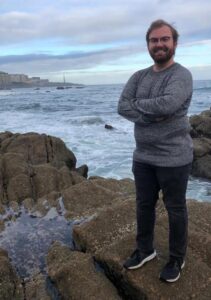
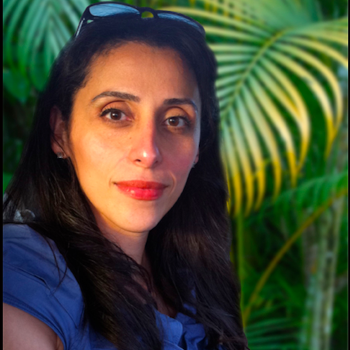
Cover photo: Nicole Hernández Hammer

Interview by Richard Brown

Nicole Hernandez Hammer is a Guatemalan-American scientist and activist who was invited by Michele Obama as a special guest during President Obama’s 2014 State of the Union Address. Her father is Cuban, and met her mother, who is Guatemalan, studying medicine at the University of San Carlos in Guatemala. They moved with Nicole to the US when she was 4. She is the Florida field manager for Mom’s Clean Air Task Force and is a scientist with the Union of Concerned Scientists on climate change issues. This interview has been edited and condensed.

EM: Why did you leave academia in favor of activism?

The sea level rise that we’re going to see in the next 15 years is going to transform Florida, it’s going to transform many parts of the world, it’s going to create major problems with flooding and drinking water. We’ve got a lot of science, we know that climate change is happening, we know that it’s human-caused, and we know that we’re starting to see the impacts now. But this information is not being sufficiently reflected in our policies at the state or the federal level. So this fall I left academia to work as an activist.  At MCAF we just started our chapter in October, and we already have 30,000 members in Florida alone, and we have over 450,000 members across the country. I feel that this kind of work is what is really going to drive the policy changes we need.

EM: A 2015 Stanford University poll found that 54% of Hispanics in the US consider climate change extremely or very important to them personally, compared with 37% of whites. Why is this?

Latinos more than anybody else are concerned about climate change, and there are a lot of polls that have come out through NRDC and Latino Decisions that underscore that Latinos are willing to take action to deal with climate change.

We know that communities of color are the most vulnerable. The people that don’t want action on climate change, not only are making bad decisions for themselves and their families, because everyone is vulnerable to climate change, but also lack compassion for the folks that are most vulnerable.

The list of places that have the largest and/or the fastest growing Latino populations are also the places that are most vulnerable to sea level rise. And practically speaking there’s a large partion of the Latino population that works outdoors in the environment whether its agriculture or construction, and so we are more sensitive to environmental changes.

I also think that because we have more international perspective we’re not as susceptible to the campaign of disinformation that’s being pushed by the polluting companies. These arguments seem to be most upfront in American media. But when you look at international media, whether Telemundo or BBC, they’re presenting the information in a more practical way. They’re talking to scientists, they’re talking to experts, and when you do that, there is not a debate.

Latinos are in a really key position. We make up 17% of the US population, but those numbers are expected to double by the middle of this century,  we’re a potential powerhouse of political influence in this country. And because we’re more vulnerable, and we’re more on board with acting on climate change. I feel like this is an important contribution that we as Latinos can make as this wave of immigrants, because in US history there are waves of immigrants from different parts of the world and they leave their print on US history, and I feel like as Latinos, we are in a really unique position to be able to leave a legacy of adaptation and mitigation and be an example of how a community can come together on an issue that’s so important, like sustainability and addressing climate change.

Personally in my family, especially my grandmother, she gardened, she uses herbs to make you feel better if you were sick, food-as-medicine kind of thing. She, my mother, my aunts and uncles seem much more connected with the value of nature than perhaps the more Americanized people of my generation in the US. I think that’s part of our heritage that we have that’s incredibly valuable and we need to hold on to it.

EM: It was just revealed that Florida Governor Rick Scott pressured state agencies not to use the words “climate change” in their research and policies. What do you think of that?

According to several research reports, Miami is the number one most economically vulnerable city to climate change in the world. It’s a huge issue for us. We’re already starting to see the impacts of sea level rise. Miami Beach is spending up to $500 million in pumps just to deal with sea level rise caused flooding. Miami Beach is only 18 square miles, a very small portion of the whole state, so you can imagine the efforts that have to go in to strenthening flood control structures across Florida.

We have to think short term, but we also have to think long term, we’re thinking about adaptation, but we’re also having to think about mitigation. Leaving the words and the concepts of climate change out of that, makes it incredibly difficult for us to be able to move forward. We have amazing, brilliant people in Florida at the county level, in academic insitutions that are doing this work, but getting the push-back from the state level is frustrating.

In a lot of meetings where we had state, federal, local agencies, decision makers, and scientists giving presentations on topics related to climate change, whether it was changes in precipatation, or sea level rise or other issues regarding natural systems, especially in the Everglades, there was also some sense from some of the participating groups that there was a restriction on the amount of information that they could talk about under the context of climate change.

Whether you like it or not, we’re going to have to deal with climate change, and we’re going to have to adapt. A lot of people say, just  do what they do in the Netherlands, or New Orleans, build seawalls, but we can’t. We sit on a very porous limestone rock, so when the sea level goes up, it doesn’t just come up over the coast on the beaches, it comes in underground into the acquifer, and we get our drinking water from that acquifer. It raises the water table causing inland flooding and it also contaminates that potable water. Communities are spending millions of dollars moving well fields inland because of salt water intrusion.

EM: How likely is increased migration to the US due to climate stressors?

Migration is a huge issue, not just for the Americas, but also for other parts of the world. When we talk about the many impacts of climate change, what they mean, I think a major end result are climate refugees.

Even within Florida! There’s talk about having to plan for a strategic retreat of major portions of southeast  Florida for the year 2100. That might seem far off, but… it’s something that you have to plan several decades in advance, and we still don’t even know how to really go about it.

We’re dealing with multiple impacts… wet periods, dry periods, sea level rise, increased temperatues. That’s why there’s such a sense of urgency behind adaptation and mitigation, because the window for us to make decisions on how we’re going to prevent the worst is closing, and if we don’t take action now, then we’re going to be dealing with, in the words of the IPCC, “horrible” consequences.
Nicole Hernández Hammer: El creciente nivel del mar y la censura climática

Foto de portada: Primer plano de Nicole Hernández Hammer


Entrevista realizada por Richard Brown

Nicole Hernández Hammer es una científica y activista guatemalteca – americana, invitada especial de Michele Obama durante el Mensaje de la Unión 2014 del presidente Obama.  Su padre es cubano y conoció a su madre, guatemalteca, cuando estudiaba medicina en la Universidad de San Carlos de Guatemala. Se mudaron con Nicole cuando ella tenía 4 años.  Nicole es la gerente de “Mom’s Clean Air Task Forcé”, (Grupo de Madres para el Aire Limpio, MCAF) en Florida y trabaja con el Sindicato de Científicos preocupados en temas sobre el cambio climático.  Esta entrevista ha sido editada y condensada.

EM: ¿Porque dejó la investigación en favor del activismo?

El aumento del nivel del mar que veremos en los próximos 15 años va a transformar Florida, va a transformar muchas partes del mundo, va a crear problemas importantes de inundaciones y agua potable.  Hemos logrado muchos datos científicos, sabemos que el cambio climático esta sucediendo, sabemos que esta causado por los humanos  y sabemos que ya hemos comenzado a ver sus efectos.  Pero esta información no ha sido suficientemente reflejada por nuestras políticas estatales o federales.  Así que este otoño deje la investigación para trabajar como activista. Comenzamos en octubre en MCAF y ya tenemos 30,000 miembros solamente en Florida y  más de 450,000 por todo el país.  Siento que es este trabajo el que realmente logrará los cambios políticos que necesitamos.

EM: En el 2015 una encuesta de la Universidad de Sandford encontró que el 54% de hispanos en los Estados Unidos consideran que el cambio climático es extremadamente importante para ellos personalmente, comparado con el 37% de blancos, por qué es esto?

A los latinos más que a ningún otro les preocupa el Cambio climático y hay muchísimas encuestas publicadas por NRDC y Decisiones Latinas que enfatizan que los latinos tienen la voluntad de actuar para enfrentar al cambio climático.

Sabemos que las comunidades de color son las más vulnerables. La gente que no quiere actuar contra el cambio climático, no solo esta tomando una mala decisión para sí mismos y sus familias, ya que todos somos vulnerables al cambio climático, sino también demuestran falta de compasión por las personas más vulnerables.

La lista de lugares con el crecimiento más alto y/o rápido de poblaciones latinas también son los lugares donde es más probable que aumente el nivel del mar. En la práctica existe un gran porcentaje de la comunidad latina que trabaja al aire libre, ya sea en  agricultura o construcción y es por ello que somos más sensibles a los cambios climáticos.

También pienso que gracias que contamos con una perspectiva mas internacional, somos menos susceptibles a las campañas de desinformación impulsadas por  compañías contaminantes.  Estos argumentos aparecen al frente de los medios americanos, pero si acudes a medios internacionales, cualquiera Telemundo o BBC, difunden información más práctica. Hablan con científicos, con expertos y cuando se hace eso, no hay debate.

Los latinos están en una posición realmente clave.  Integramos el 17% de la población de Estados Unidos, pero se pronostica que estos números van a duplicarse a la mitad de este siglo, somos un centro neurálgico potencial de influencia política en este país.  Y porque somos los más vulnerables y estamos más involucrados en actuar sobre cambio climático, siento que esta es una contribución importante que como latinos podemos llevar a cabo con esta ola de inmigración, porque en la Historia de estados Unidos hay movimientos e inmigrantes de diferentes partes del mundo y todos han dejado su huella en la historia de este país, y siento que como latinos, estamos una posición realmente única para ser capaces de dejar un legado de adaptación y atenuación, así como ser ejemplo de como una comunidad puede unirse para enfrentar un problema tan importante como es la sostenibilidad en cuanto al cambio climático.

En mi familia, en concreto mi abuela cultivaba su huerto, usaba hierbas y remedios naturales para hacerte sentir mejor si estas enfermo, la comida como un tipo de medicina. Ella, mi madre, mis tías y mis tíos están mucho más conectados con el valor de la naturaleza que la mayoría de población americanazada de mi generación en los Estados Unidos.  Pienso que es parte de nuestra herencia que tengamos eso tan increíblemente valioso. Pienso que tener esos valores tan increíbles forma parte de nuestra herencia y necesitamos mantenerlos.

EM: Acaba de ser revelado que el Gobernador de Florida, Rick Scott presionó a las agencias estatales a no usar las palabras “cambio climático” en sus investigaciones y políticas.  ¿Qué es lo que piensa de eso?

Según muchos informes de investigación, Miami ocupa el lugar número uno del mundo como ciudad mas vulnerable económicamente al cambio climático. Es una cuestión muy importante para nosotros.  Ya hemos empezado a ver los impactos del aumento del nivel del mar.  Miami Beach está gastando más de $500 millones en bombas para lidiar con las inundaciones y solo ocupa 18 millas cuadradas, una porción de territorio muy pequeña respecto al estado, puede entonces imaginar los esfuerzos que se realizan para el fortalecimiento de las estructuras de control de inundaciones por todo Florida.

Tenemos que pensar a corto plazo pero también a largo plazo, pensamos en adaptación, pero también tenemos que pensar sobre acciones atenuantes. Dejando palabras y conceptos de cambio climático fuera de eso hace increíblemente difícil seguir adelante.  Tenemos gente estupenda y brillante en Florida a nivel regional, en instituciones académicas que están haciendo este trabajo, pero la resistencia que experimentamos a nivel estatal es frustrante.

En muchas reuniones donde teníamos agencias estatales, federales y locales, responsables políticos y científicos, dando presentaciones sobre temas relacionados con el cambio climático, ya sea cambios en las precipitaciones, incremento del nivel del mar u otros problemas relacionados con los sistemas naturales, especialmente en los Everglades, había también una sensación desde algunos de los grupos participantes sobre la restricción en la cantidad de información sobre la que pueden hablar en el contexto de cambio climático.

Tanto si les gusta como sino, tendremos que lidiar con el cambio climático, y tendremos que adaptarnos. Muchos dicen, que solo necesitamos construir muros de contención contra las inundaciones como en Holanda o Nueva Orleans, pero no podemos. Estamos en una situación delicada, cuando el nivel del mar suba,  el agua no solo vendrá por la costa o las playas, vendrá bajo tierra en los acuíferos y es de ahí de donde conseguimos el agua potable. Causará inundaciones tierra adentro y también contaminará ese agua potable. Las comunidades están gastando millones de dólares para trasladar grandes extensiones de tierra por la intrusión del agua salada.

EM: ¿Qué probabilidades hay de aumento de movimientos migratorios debido al cambio climático?

La migración es un gran problema, no solo en las Américas sino también en otras partes del mundo.  Cuando hablamos de los impactos del cambio climático, pienso que realmente hablamos de refugiados climáticos como consecuencia directa.

¡Incluso en Florida! Ya se habla de tener un plan estratégico de retirada de grandes porciones de territorio en el sureste del estado para el año 2100. Puede parecer que esa fecha esta lejana pero…es algo que debe ser planeado con décadas de anticipación, y aún no sabemos si siquiera como hacerlo.

Estamos enfrentando múltiples impactos… períodos de lluvia, períodos de sequías, incremento en el nivel del mar, aumento de las temperaturas. Es por eso que existe un sentido de urgencia en adaptarse y mitigar efectos, el espacio de acción para tomar decisiones sobre como prevenir lo peor se esta cerrando, y si no actuamos ya mas tarde vamos a tener que enfrentar, en palabras del IPCC, consecuencias horribles.

2 comments

Comments are closed.