×

They are still Protagonists

They are still Protagonists

By: Lucía Muñoz Argueta

“Today, people of old age are isolated from the performance of tasks that they are perfectly capable of carrying out, despite the fact that reality and public opinion seem to not share the idea that seniors are useless. We know that the problem of old age is not a strictly biological, medical, or physical problem, but that it is, mainly, a social and cultural problem. That is, the meaning of old age is a social construction.” -Miranda J.-

From the point of view of Miranda J, old age, more than a physical state, is a social construction that can be interpreted as a generational change between existing social groups. Childhood, youth, maturity and old age correspond with a virtuous life cycle. Therefore, I want to critique the meaning of modern ages, which beyond being social constructions are also anchored to conceptions about work and usefulness. To begin, it is not the same thing to speak of the meaning of a given age from the perspective of a developed country and from the perspective of a country in development like Guatemala, as in a developed country “the third age” can be a synonym of retirement, pensions, social security, and a list of things to do; while in Guatemala, old age is a synonym of another level of exclusion, consumption of savings, absence of social programs and very likely, uncertain job prospects.

Don Oscarito is someone who knows well the conditions that exist for older adults in Guatemala. He is a person who, together with his diabetic wife, makes wallets out of recycled bags, walking the streets of Xela’s Zona Viva during the night to offer his wares. Left adrift, the couple has had to get ahead using their creativity and the materials that they are able to find. Like don Oscarito, there are thousands of old Mayan, mestizo, Garifuna and Xinca faces, exposed to danger and lacking permanent sources of income for lack of job opportunities. The current economic system that regulates us squeezes work out of us during our youth and then casts us aside sometimes even before we have moved on to the “third age” as it is the market that determines when a person is useful or not and able to contribute to society.

Conditions of inequality, exclusion and violence in Guatemala, create a terrible formula that places seniors and children in precarious, vulnerable and unprotected situations and as a society we have accepted this—and even normalized it—becoming insensible in front of the situation of thousands of unemployed seniors without even social guarantees and recreation opportunities. Although a legal regime for the protection of older adults and programs created for them exists in the country, the reality is much more complex, for as has already been mentioned previously: “usefulness comes from the economic system and production, which transcends the legal and welfare capacities of the government.”
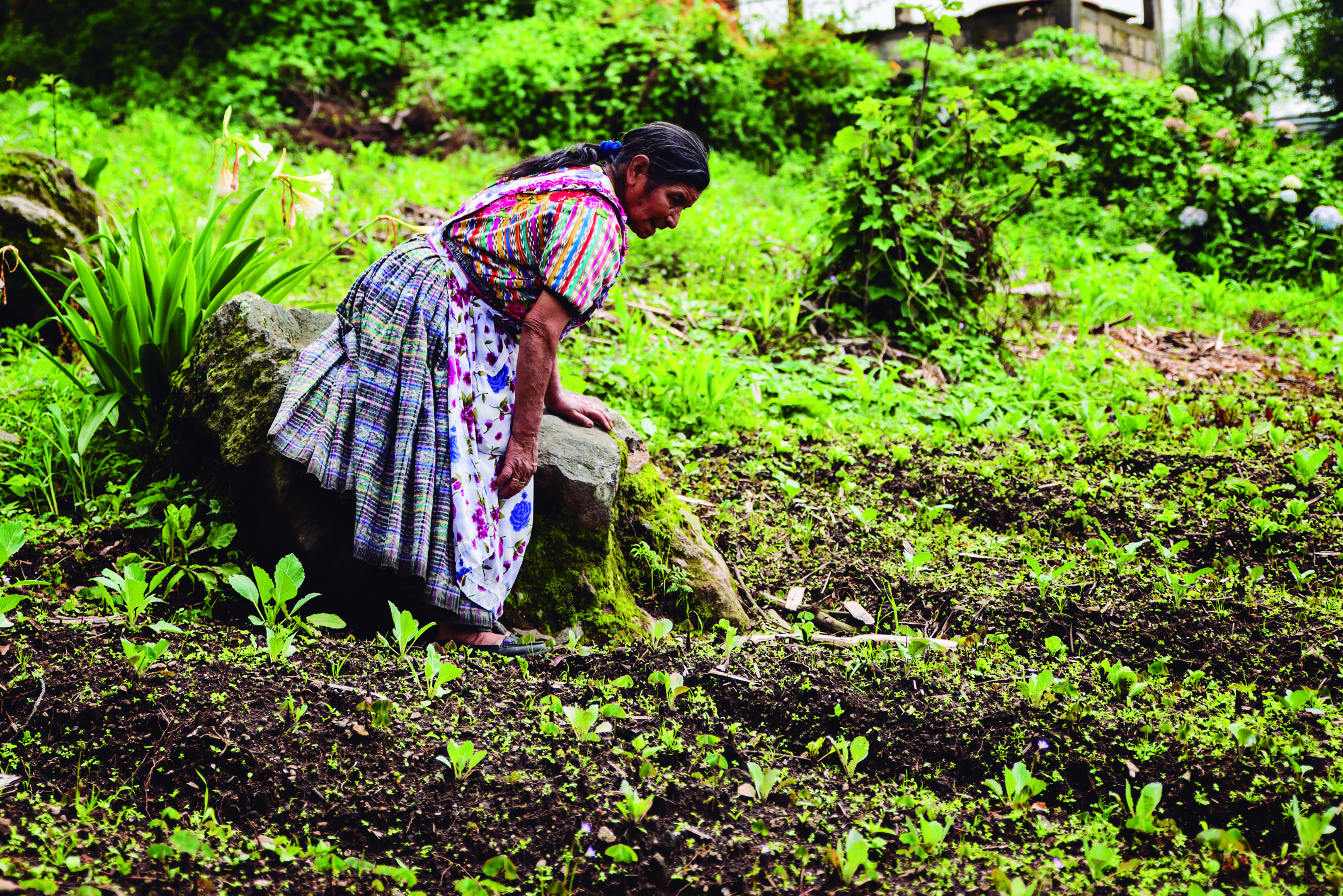
Old lady on fieldfrom the highlands. Foto: Kathleen Hertle

To confirm the previous, we can take a look at the work requirements that the market of today demands: from our 20s to our 30s, we should already have various academic degrees, but then we must rush, because after our 40s it becomes difficult to find someone who will hire us. And if the situation is hard for those who have studied, just imagine those who never had the opportunity to do so. There will be some who say: “Studies? No problem if you’re entrepreneurial!” Of course, as long as you know how to protect yourself from the organized crime that stalks the city with more and more force through extorsion of large, medium and small businesses. The size does not matter as there are extortionists for all sizes of businesses.

It would seem as if not only older adults but also children are corralled into a dead end, unable to—let’s not say “overcome,” but rather survive and move ahead. Nevertheless, not everything can be bad. Facing this situation, there are those who in previous years have with courage contributed much to our society, knowing how to overcome the difficulties of life. But it was not enough for them to have the desire to continue living. It is important that all of us become sensitive to that which this age involves, and begin to debate about the structural changes needed not only to give the seniors of today a better quality of life but also for ourselves, those who will be seniors in the future. Therefore, I will pose a number of guiding questions to call the reader’s attention to the recognition of the value of and the role that those of the “third age” have.

What does it mean to be a person in the “third age” in our society?

Are we conscious of the situation of third age individuals?

Do we recognize the role that they play today?

Under what conditions do we arrive at our third age in Guatemala?

All of this can be analyzed from different points of view: sociologic, anthropologic, psychologic, physical, political, economic and others, but what I want to point out here is how indispensable it is that we begin to see old age from a social, humanitarian and collective perspective, as it is by beginning to think in this way that we will be able to achieve change in the most immediate manner.

Based on the comments that I have received from those in the third age, some have manifested that being an older adult is synonymous with happiness and having conquered personal, familial, academic or work-related goals. For others, it means greater efforts, an absence of energy and health, and a lack of opportunities. Finally, there are those for whom life is difficult and even say that “it’s a torture being old.” I know that responses to the question of the meaning of being an older adult in Guatemala will be peppered with a certain dose of subjectivity based on what each person has experienced. But… what do we know about the majority? I have seen that often, being a senior means receiving derogatory, intolerant and impatient treatment, which brings me to think that our society ought to reconfigure its attitude and actions towards people of the third age and consider them as people with experience, knowledge and virtue.
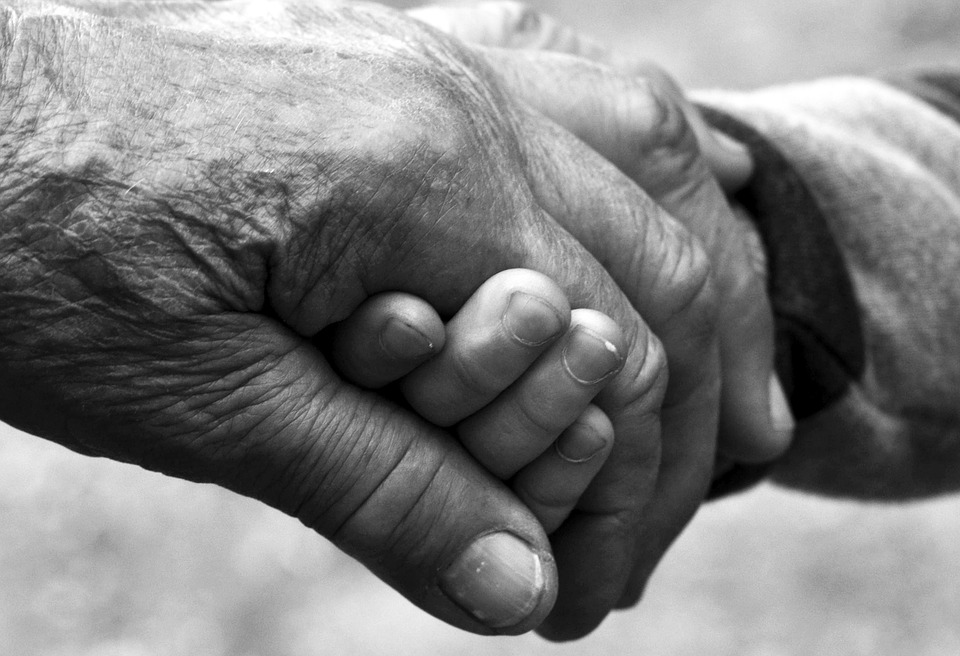
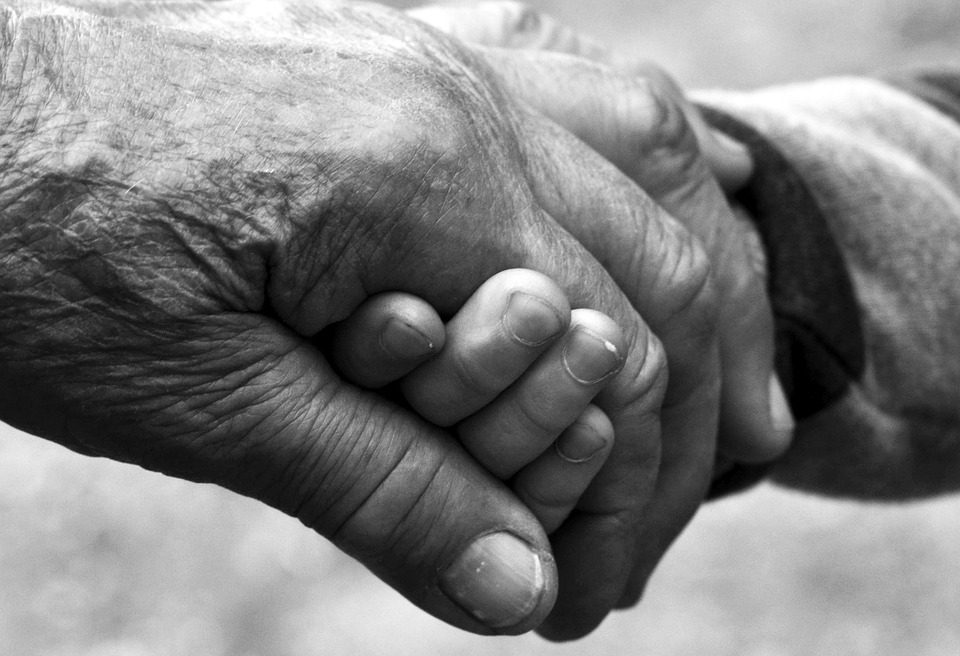
Elder’s hands.

The UN assures that older people “will play an increasingly important role as volunteers, by sharing their experience, or as caretakers for their families. In the labor sphere, their knowledge is also very valuable” and far from considering them as disposable or social burdens, we should reconsider maturity and age as active instead of sedentary. That is to say, considering older adults as people who contribute to society in an enriching way. The seniors in Guatemala, those wo continue to be economically active because they do not live in conditions that allow them to retire from employed life, deserve respect, recognition, support, and the momentum of new agendas that allow them to enjoy life with dignity.

Lucía Muñoz Argueta Internationalist, Social Anthropologist, and founder of ACD Guatemala.
Ellos aún son Protagonistas

Por: Lucía Muñoz Argueta

“Hoy en día las personas de edad avanzada son apartadas del desempeño de tareas que perfectamente podrían realizar, a pesar de que la realidad y la opinión pública parecen no compartir la idea la inutilidad de los mayores. Sabemos que el problema de la vejez no es estrictamente un problema biológico, médico o físico, sino que es, principalmente, un problema social y cultural, es decir, el significado de la vejez, es una construcción social” -Miranda J.-

Desde el enfoque de Miranda J, la vejez, más que un estado físico, es una construcción social que se puede interpretar como un cambio generacional entre los grupos sociales existentes. A la niñez, juventud, madurez y vejez les corresponde un ciclo de vida virtuoso. Por ello, quiero hacer una crítica al significado de las edades modernas, que más allá de construcciones sociales, se tratan de significados anclados al trabajo y la utilidad. Para empezar, no es lo mismo hablar del significado de la edad desde la perspectiva de un país desarrollado que desde uno en vías de desarrollo como Guatemala, pues en un país desarrollado “la tercera edad” puede ser sinónimo de jubilaciones, pensiones, seguros sociales, y una lista de cosas por hacer; mientras que, en Guatemala, vejez es sinónimo de otro nivel de exclusión, consumo de ahorros, ausencia de programas sociales y con mucha probabilidad, oportunidades precarias de trabajo.

Don Oscarito, es alguien que conoce muy bien las condiciones que existen para el adulto mayor en Guatemala. Él es una persona que, junto a su esposa diabética, elaboran billeteras de bolsas recicladas y recorren las calles de la zona
viva de Xela durante las noches para ofrecer su producto. Dejados a la deriva, la pareja ha tenido que salir adelante
usando su creatividad y los materiales que encuentran. Como don Oscarito, existen miles de rostros de ancianos mayas, mestizos, garífunas y xincas, que por falta de oportunidades laborales están expuestos a peligros y carecen de fuentes permanentes de ingresos económicos. El actual sistema económico que nos regula, nos exprime durante
nuestros años de juventud y nos desecha a veces sin haber siquiera pasado a la “tercera edad”, pues es el mercado
quien determina cuándo una persona es útil o no para aportar a la sociedad.

Las condiciones de desigualdad, exclusión y violencia en Guatemala, conforman una malísima fórmula que sitúa a los ancianos y niños en situaciones de precariedad, vulnerabilidad y desprotección, y como sociedad hemos ido aceptando esta cuestión hasta normalizarla, volviéndonos insensibles ante la situación de miles de ancianos sin empleo, sin garantías sociales y mucho menos oportunidades de recreación. Aunque existe en el país un régimen
legal para la protección de los adultos mayores y programas creados para los mismos, la realidad es mucho más
compleja, pues como ya se mencionaba anteriormente: “la utilidad proviene del sistema económico y de la producción, lo cual trasciende las capacidades legales y asistenciales del gobierno”.

Anciana del altiplano en campo. Foto: Kathleen Hertle

Para confirmar lo anterior, podemos echarle un vistazo a los requerimientos laborales que hoy en día exige el mercado: durante los 20 a los 30, ya debemos contar con varios títulos académicos, pero hay que darse prisa, porque pasados los 40 ya es difícil que se nos pueda contratar. Y si la situación es dura para quienes tienen estudios, tan sólo imaginen a aquellos que nunca tuvieron la oportunidad de estudiar. Habrá quienes afirmarán… ¿estudios? ¡no hay problema! si eres emprendedor. Claro, siempre y cuando sepas cuidarte del crimen organizado que empieza a
acechar con más fuerza la ciudad a través de las extorsiones a grandes, medianos o pequeños negocios…no importa el tamaño, pues existen extorsionistas para cualquier tipo de empresas.

Tal pareciera que no sólo los adultos mayores sino también la niñez está acorralada en un callejón sin salida para (no digamos “superarse”) sino siquiera, sobrevivir y salir adelante. No obstante, no todo puede ser malo. Ante tal situación, la valentía de quienes en años anteriores han aportado mucho a nuestra sociedad, ha sabido sobreponerse antes las dificultades de la vida. Pero, no es suficiente que ellos tengan el deseo de seguir viviendo. Es importante que todos nos sensibilicemos sobre lo que esta edad conlleva, y comencemos a discutir sobre los cambios necesarios desde lo estructural, no sólo para darles a los ancianos de hoy una mejor calidad de vida sino para nosotros, quienes seremos los ancianos en el futuro. Por ello, plantearé algunas preguntas orientadoras para
llamar a la reflexión al lector sobre la reivindicación del valor y el rol que tienen las personas de la tercera edad.

¿Qué significa ser una persona de la tercera edad en nuestra sociedad?

¿Tenemos conciencia de la situación de las personas de la tercera edad?

¿Estamos reconociendo el papel que ellos juegan en la actualidad?

¿Bajo qué condiciones llegamos a la tercera edad en Guatemala?

Todo esto puede analizarse desde distintos enfoques: sociológico, antropológico, psicológico, físico, político, económico y otros más, pero quiero resaltar que lo indispensable es comenzar a ver la vejez desde una perspectiva social, humanitaria y colectiva, pues es comenzando a pensar de esta manera que podemos lograr cambios de manera más inmediata.

En base a comentarios que he recibido de personas de la tercera edad, algunos de ellos han manifestado que ser “adulto mayor” es sinónimo de felicidad y de haber conquistado metas personales, familiares, académicas o laborales. Para otros significa esfuerzos mayores, ausencia de energía y salud y falta de oportunidades. Finalmente, están aquellos para quienes la vida es difícil y hasta es “un suplicio el ser viejo”. Sé que las respuestas a la pregunta del significado de ser adulto mayor en Guatemala estarán impregnadas de cierta dosis de subjetividad en base a lo que cada persona experimenta. Pero… ¿qué es lo que sabemos de la mayoría? Yo he visto que a menudo, ser anciano significa recibir un trato despectivo, intolerante e impaciente, lo que me lleva a pensar que nuestra sociedad debe reconfigurar su actitud y acción hacia las personas de la tercera edad y considerar a las personas de la tercera edad como gente con experiencia, conocimiento y virtudes.

La ONU asegura que las personas mayores “desempeñarán un papel cada vez más importante, como voluntarios, mediante la transmisión de su experiencia, o como cuidadores de sus familias. En el ámbito laboral sus conocimientos serán también muy valorados” y lejos de considerarles como sujetos desechables o cargas sociales, deberemos replantear la madurez y la vejez de lo sedentario a lo activo, es decir, considerando a los adultos mayores como personas que aportan de manera enriquecedora en la sociedad.

Los ancianos en Guatemala, quienes siguen económicamente activos porque no viven en condiciones para poder retirarse de la vida laboral, merecen respeto, reconocimiento, apoyo e impulso de nuevas agendas que les permita gozar de condiciones dignas de vida.

Lucía Muñoz Argueta es Internacionalista, Antropóloga Social y fundadora de ACD Guatemala.