Women, Democracy, and Power
TRANSLATED BY JONATHAN LOTT
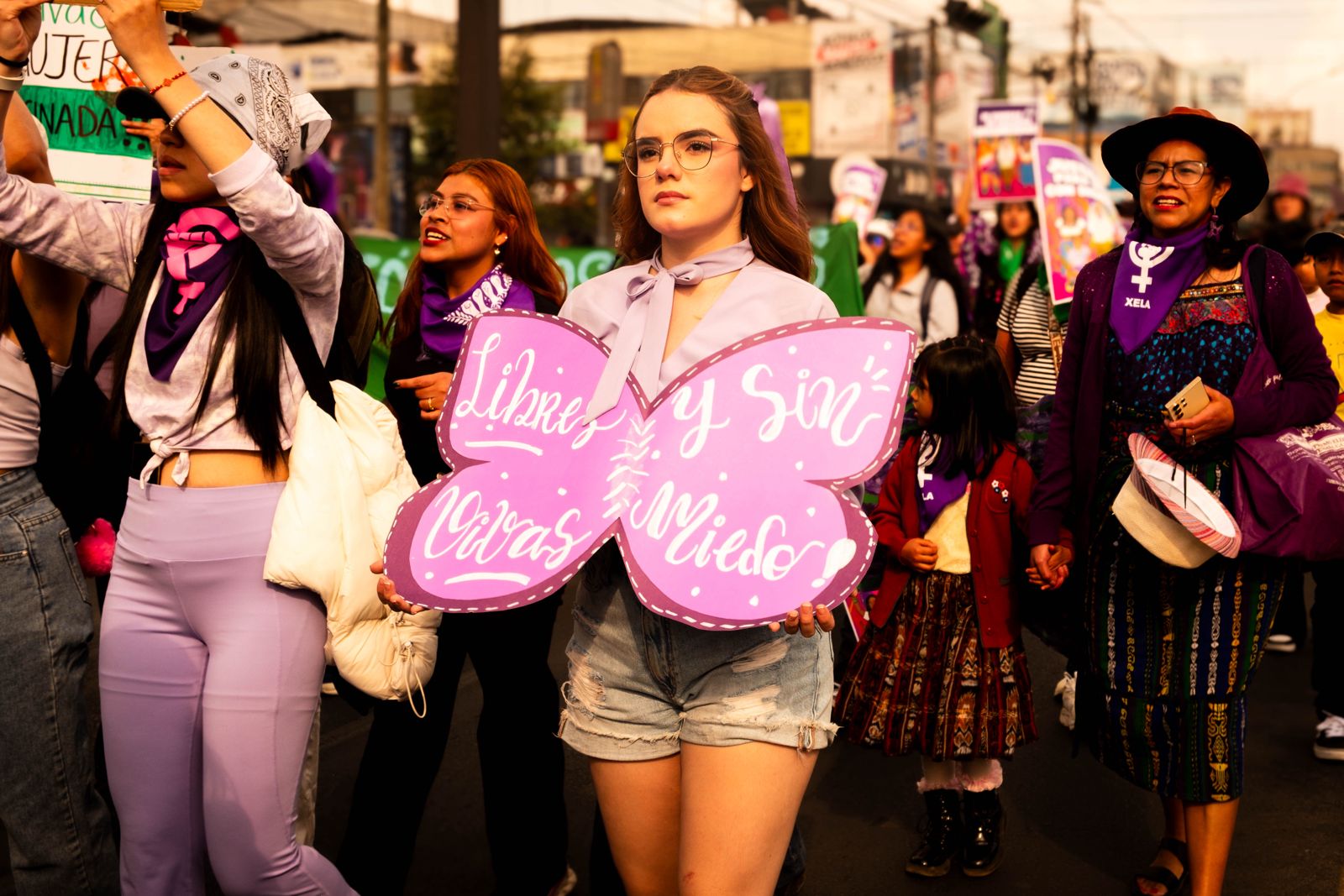
In Guatemala, to speak of democracy necessarily means to speak of resistance. For women, and in particular for indigenous women, democracy has not been a gift from the State nor the automatic result of periodic elections, but rather a historical conquest forged through community organizing, defense of territory, collective memory, and the constant struggle against racism, patriarchy, and structural exclusion.
The analysis developed by Just Associates (JASS) — Asociadas por lo Justo in Spanish — in Making Change a Reality (Haciendo que el Cambio sea una Realidad) offers key insights for understanding the complex relationship between feminist movements, electoral processes, and political power. From a feminist and situated perspective, the document challenges the idea that elections alone guarantee democracy or social justice.
In contexts such as Guatemala, where the political system has historically been captured by economic elites and networks of corruption, elections represent only a limited and contested moment within a much broader struggle.
Making Change a Reality is a series of publications on ideas and strategies that shape social justice and women’s rights work at JASS in collaboration with multiple organizations and allied individuals. It also compiles and analyzes experiences related to electoral processes.
Together with its allies, JASS analyzes key questions, such as why to engage in electoral cycles, the different ways in which feminist and women’s organizations relate to elections, and the obstacles and possibilities for moving forward. This issue focuses on JASS’s experiences in its three regions — Southeast Asia, Mesoamerica (Mexico, Guatemala, and Honduras), and Southern Africa — and covers experiences, activities, and reflections concentrated in the period 2020–2025.
It brings together years of experience, research, and organizing around central issues such as power, rights defense, narratives, feminist popular education, and capacity building, all within the framework of building and strengthening movements with a feminist perspective.
At a time when democracy is facing global threats such as the rise of authoritarianism and the erosion of public trust, this publication seeks to nurture deeper reflection and debate, and to contribute to advancing practices that defend real democracy and freedoms for women and for the defense of life.
These points served as the basis for the structure and analysis of this publication. First, for most organizations, participating in elections is not a simple yes-or-no question based on an ideological stance, but rather a decision that emerges from careful analysis of the moment, the political context, power relations, and the long-term objectives of the organization or movement.
Secondly, there is broad consensus that participation in elections, in whatever form it takes, must always be part of a broader movement-building strategy.
Thirdly, elections have limited reach in what they can offer in terms of building real democracy, just as the power of the State is limited in achieving transformative change. We begin from the recognition that the system is rigged and that governments largely serve capitalist and patriarchal interests.
They quote former Guatemalan congresswoman Sandra Morán: “As movements, we have to be able to contest power in all arenas, and we have to be able to do so in different ways, in different contexts, and with different actions… If elections are part of a broader strategy, then we can build popular power, we can put our issues on the table, raise our demands, and present our proposals, and we are building movements with candidates who can help us build that power. If they are not part of a broader strategy, they are likely to weaken us.”
Elections in an Unequal System
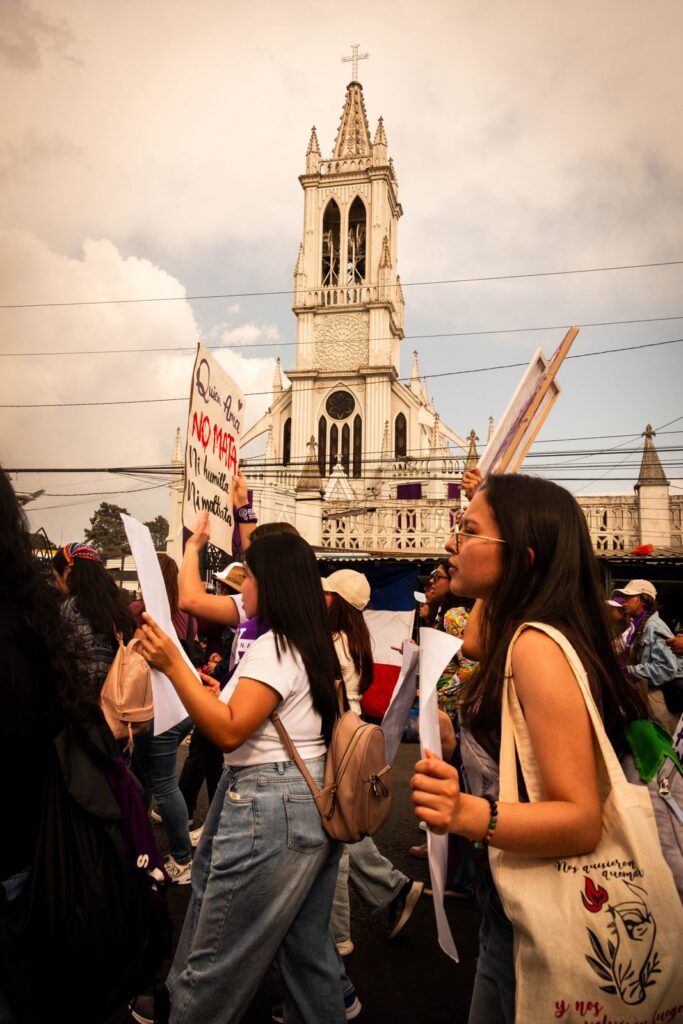
Guatemala is a clear example of how electoral processes can be used to legitimize deeply undemocratic structures. The systematic exclusion of indigenous peoples, women, youth, and rural communities has been a constant, even under formally elected governments. In this context, organized women do not approach elections with naïveté, but with a critical analysis of power.
As JASS argues, women’s movements do not simply ask whether or not they should participate in elections, but how to do so without losing autonomy, without fragmenting, and without legitimizing a system that has historically marginalized them. When it exists, electoral participation is embedded in broader strategies of organizational strengthening, political education, and building power from below.
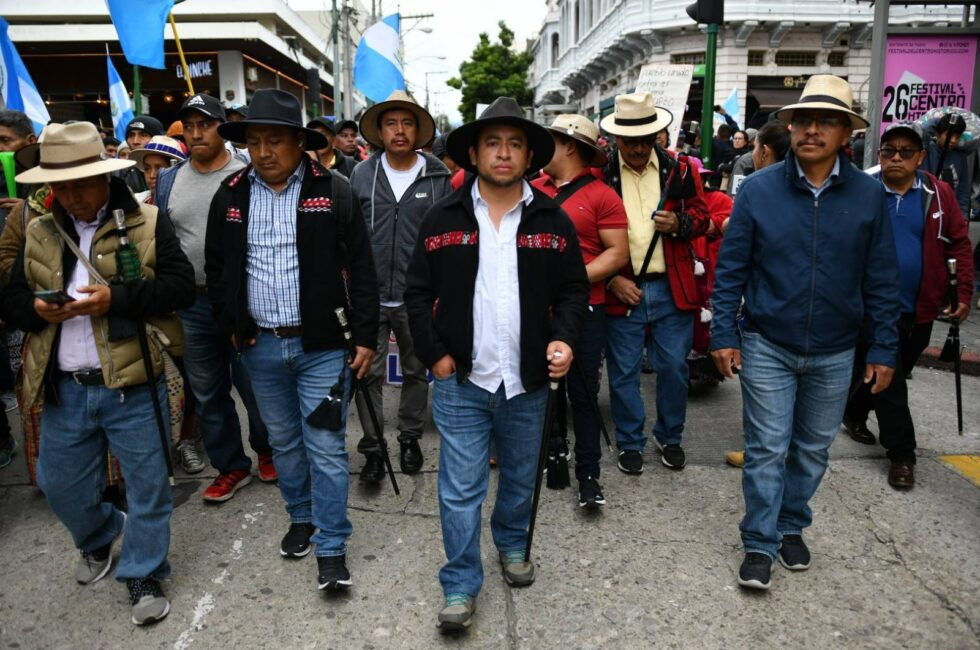
The 2023 mobilizations in Guatemala marked a turning point. Faced with the attempt by the so-called “Pact of the Corrupt” (Pacto de los Corruptos) to disregard the electoral results and entrench itself in power, indigenous peoples — with visible and decisive female leadership — led an unprecedented national mobilization. For more than one hundred days, entire communities sustained the defense of the popular vote, not because they blindly trusted a new government, but because they knew that electoral theft would consolidate an even more authoritarian and violent regime.
Indigenous women played a central role: they organized shifts, sustained community logistics, articulated political discourse, and placed a profound and necessary question in the public debate: what kind of democracy do we want to build? For many women leaders, the liberal democracy inherited from colonialism does not respond to their realities nor guarantee a dignified life for their peoples. Their struggle, as they themselves express it, did not begin in 2023 nor end with the inauguration of a new president; it is part of more than 500 years of resistance.
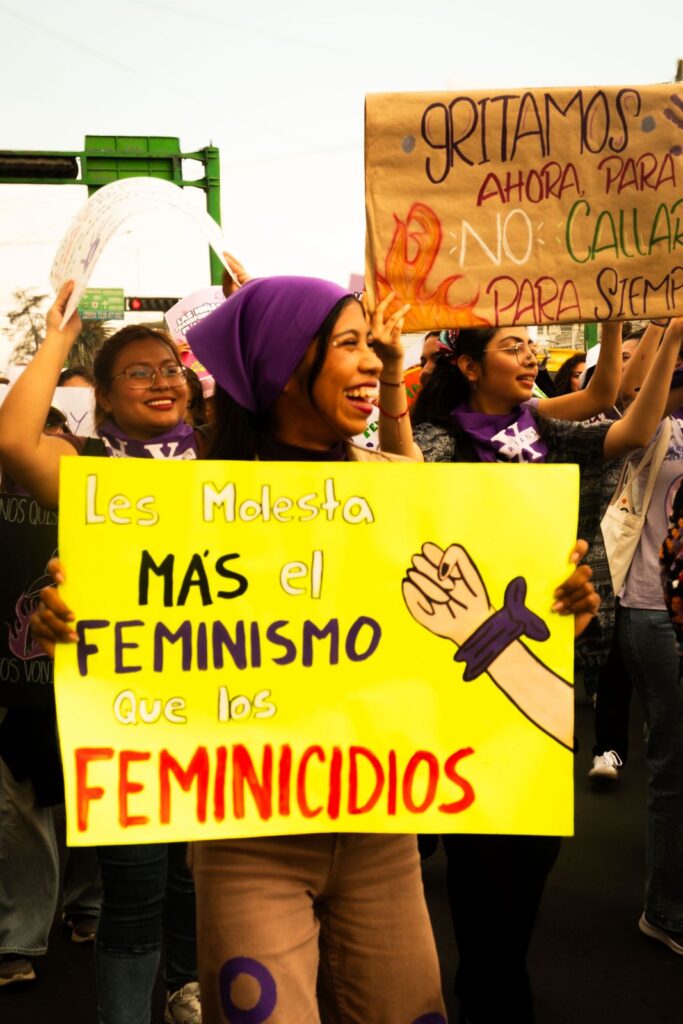
During electoral processes, feminist popular education has transformed elections into spaces of political learning rather than partisan indoctrination. Women who were historically excluded from public debate have found spaces to analyze proposals, question dominant narratives, and articulate their own demands, from the defense of territory and collective rights to bodily autonomy and economic justice.
Risks, Violence, and Collective Care
Participating, or existing, in electoral contexts entails real risks for women human rights defenders. Criminalization, gender-based political violence, and institutional racism intensify during these periods. For this reason, JASS emphasizes the importance of collective protection and care as political strategies, not secondary actions.
In Guatemala, community networks, inter-organizational solidarity, and ancestral memory have been key to sustaining women’s participation in highly conflictive contexts. Caring for one another, protecting women leaders, and acting collectively have made it possible to resist violence and keep civic space open.
In the context of recent years, important changes have occurred that have led organizations and movements to rethink the relationship between elections and movement-building strategies, the document notes. If you would like to continue reading more on this topic, the document is available at the following link: https://justassociates.org/resource_cat/making-change-happen/s