The Dawn of the Peoples: Democracy, Territory, and Youth in Guatemala
TRANSLATED BY JONATHAN LOTT
By Oxfam
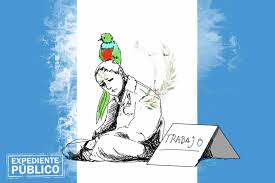
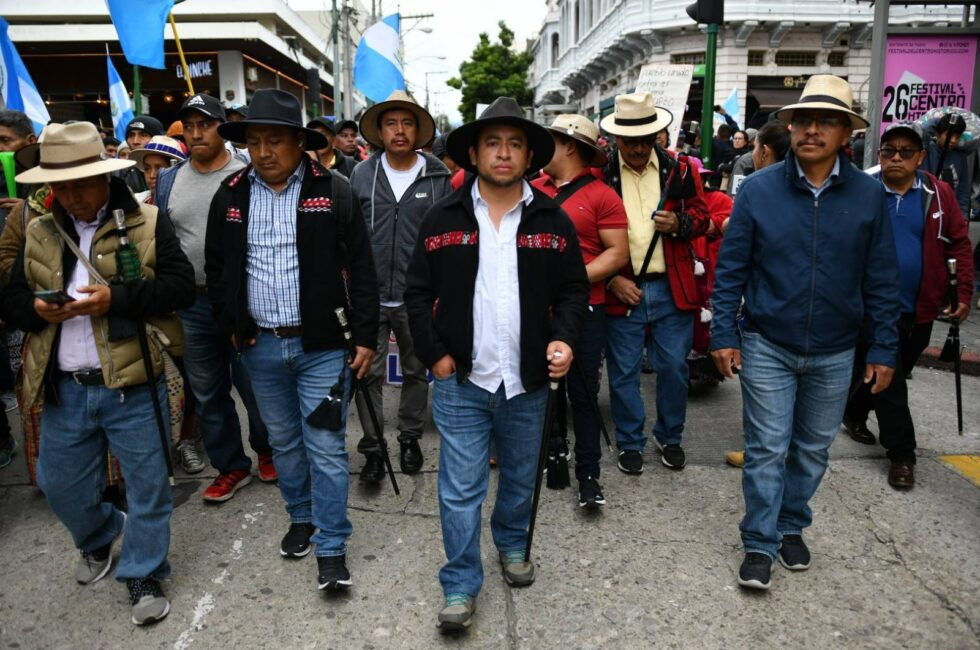
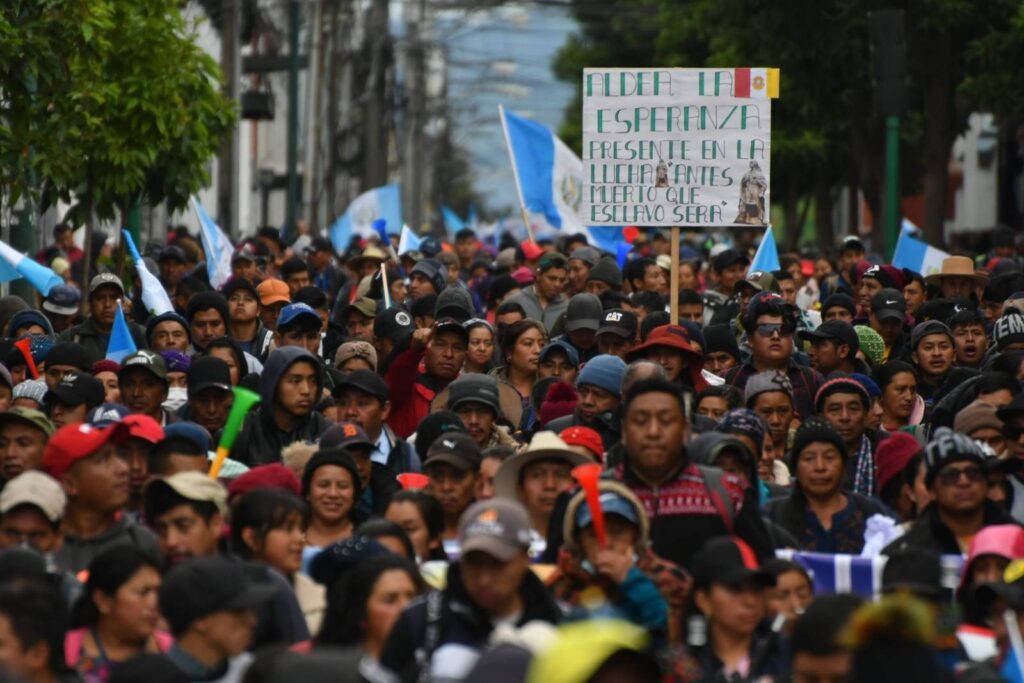
In 2023, Guatemala experienced a moment that many called historic. Indigenous authorities and entire communities mobilized to defend the electoral results and demand respect for the constitutional order. It was not simply a protest—it was a lesson in democracy, as Romeo Tiu López argues in The Dawn of the Peoples, a document prepared with the support of the Rockefeller Brothers Fund and Oxfam in Guatemala.
This document explores how this uprising demonstrated that indigenous peoples are not marginal actors, but protagonists in the defense of human rights and the democratic life of the country.
But what does democracy mean for indigenous peoples? It is not simply about voting every four years. In many communities, democracy is lived every day through assemblies, community consultations, and systems of office that function as service to the common good.
Authorities elected within communities do not govern to enrich themselves, but to serve. In places like Totonicapán and Sololá, important decisions are made collectively, and authorities are accountable to their community, not to partisan interests.Before the European invasion, indigenous peoples already had their own systems of governance based on kinship, the experience of elders, and balance with the land. However, official history renders these systems invisible and reduces them to mere “customs.” The imposition of the nation-state model excluded indigenous peoples from the construction of modern democracy, limiting their participation to voting, often without real representation.
One of the most important rights in this struggle is the right to territory. This is not just land as property.
but as a space of life, culture, language, spirituality, and social organization. Communal lands are the heart of collective life. However, they have historically been dispossessed or coveted by economic interests linked to extractive projects, hydroelectric developments, or monoculture plantations.
In the face of these threats, community consultations have become a key mechanism. Based on Convention 169 of the International Labour Organization (ILO), these consultations express the right of peoples to decide on projects that affect their territory. Although the state has often ignored these processes, communities have upheld them as a legitimate practice of participation and self-determination.
This historic moment raises urgent questions: what kind of democracy do we want? One that functions only on paper, or one that guarantees a dignified life, equality, and real participation? The experience of indigenous peoples shows that it is possible to build more horizontal forms of governance, with rotation in office, accountability, and ethical commitment.
The “dawn” the author speaks of is not a romantic slogan. It is the concrete possibility of rethinking Guatemala through inclusion and respect for cultural diversity. It is necessary to recognize that democracy cannot be sustained without the peoples who have historically been excluded.
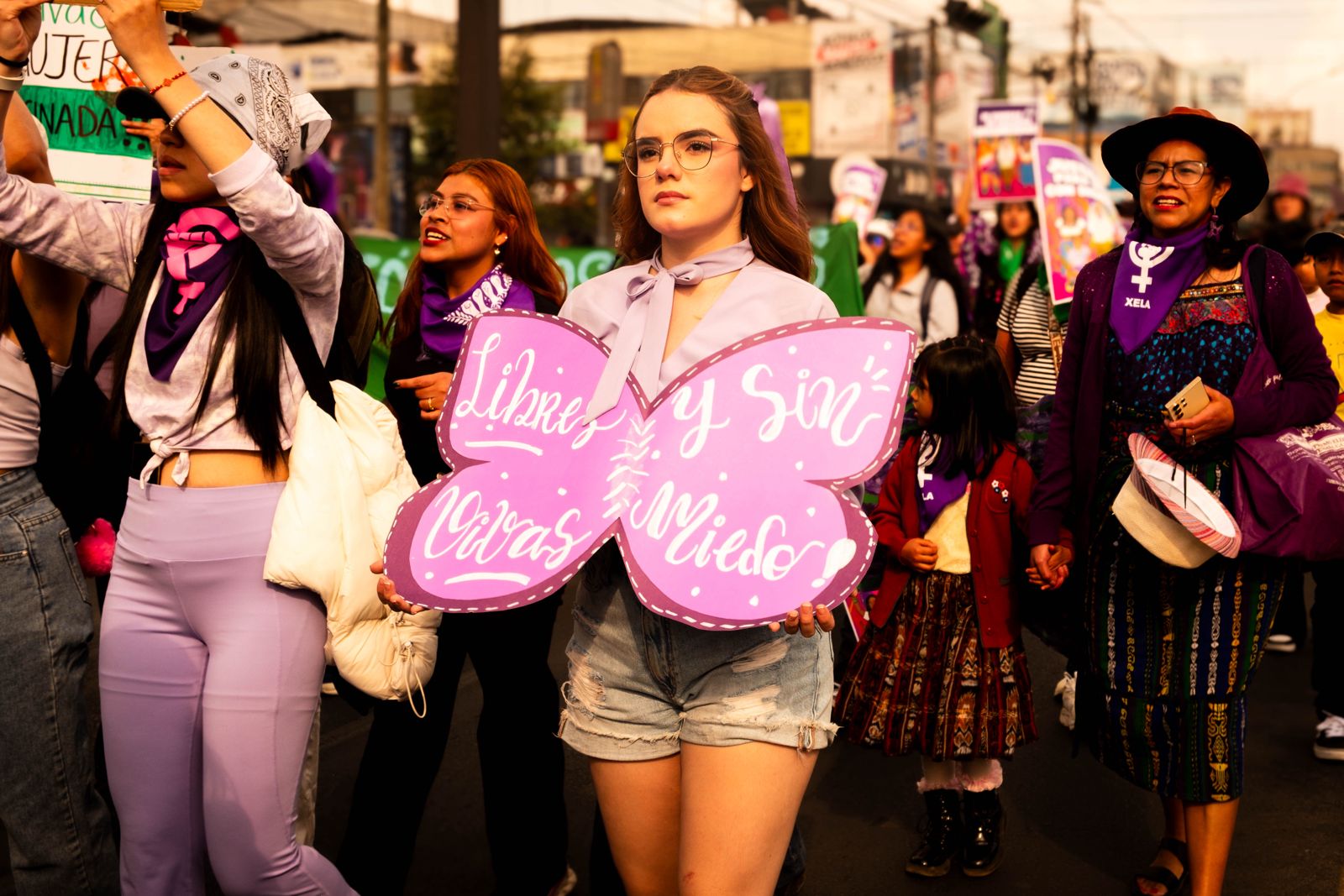
It also implies that youth must take on an active role: to inform themselves, participate, question, and build. Defending human rights today is not only about demanding justice in the face of abuses; it is also about valuing and strengthening the community practices that already exist. If sovereignty resides in the people, as the Constitution states, then democracy must be born from below, from communities, from the collective.